
How to Choose the Right Construction Estimating Company for Your Project
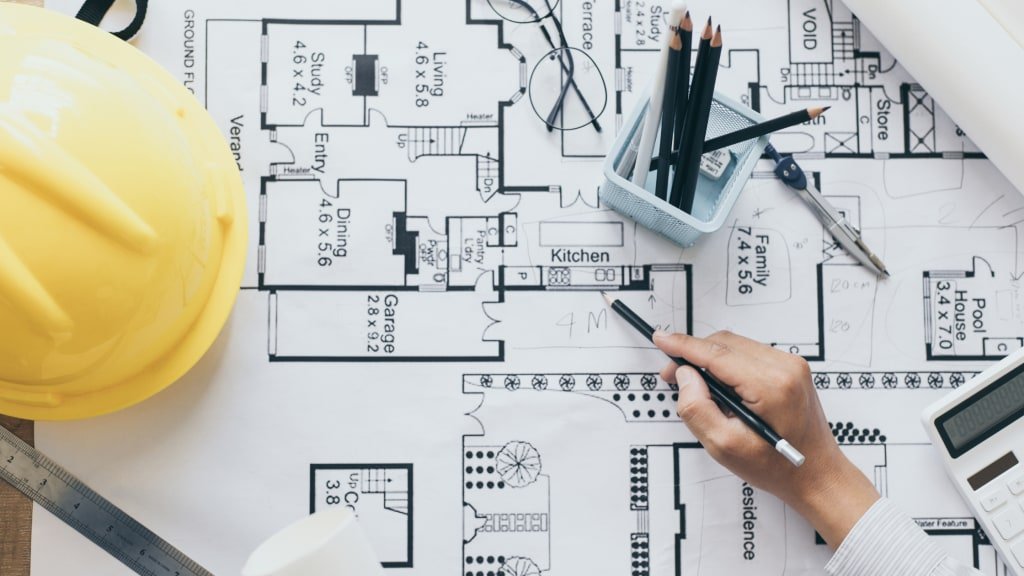
Choosing the right Construction Estimating Company can have a significant impact on how contractors, builders, developers, and construction firms plan projects, prepare bids, and manage costs. Accurate estimates help you understand the expected cost of labor, materials, equipment, subcontractors, and other project requirements before construction begins.
For many contractors, handling every estimate in-house is not always practical. Tight deadlines, complex drawings, multiple projects, and limited estimating staff can make it difficult to produce detailed estimates consistently. Working with a professional construction estimating company can provide additional capacity and specialized estimating support when needed.
However, not every estimating provider offers the same level of experience, accuracy, technology, or service. Before choosing a company, contractors should evaluate several factors to make sure the estimator understands their project requirements and can deliver useful, well-organized estimating information.
In this guide, we explain what to look for when choosing a construction estimating company and how professional estimating services can support better project planning and bidding.
What Is a Construction Estimating Company?
A construction estimating company provides professional services that help contractors and construction businesses determine the expected costs associated with a project.
Depending on the project and scope, estimating services may include:
Quantity takeoffs
Material quantity calculations
Labor cost estimation
Equipment cost estimation
Subcontractor pricing
Construction cost estimating
Bid preparation support
Preliminary budgeting
Detailed estimates
Value engineering support
Project scheduling and takeoff
Trade-specific estimating
Cost analysis
A professional Construction Estimating Company typically reviews architectural, structural, civil, mechanical, electrical, plumbing, and other project documents to develop a structured estimate.
The exact scope of services depends on the provider and the requirements of the contractor.
Why Choosing the Right Construction Estimating Company Matters
A construction estimate is more than a list of numbers. It provides contractors with information they can use when making important project and bidding decisions.
An estimate that is incomplete, poorly organized, or based on incorrect quantities can create problems during bidding and construction.
For example, inaccurate quantities may result in:
Incorrect material budgets
Underestimated labor requirements
Pricing gaps
Unexpected project costs
Reduced profit margins
Difficulty comparing subcontractor quotes
Less confidence when submitting bids
On the other hand, a well-prepared estimate can give contractors a clearer understanding of the project’s scope and expected costs.
This is why choosing an experienced Construction Estimating Company should be approached as an important part of the pre-construction process.
1. Look for Relevant Construction Estimating Experience
One of the first things to consider is whether the estimating company has experience with projects similar to yours.
Construction projects vary significantly by type, size, location, materials, and complexity.
For example, a commercial office building may require a different estimating approach from:
Multifamily housing
Retail construction
Warehouses
Industrial facilities
Healthcare projects
Educational buildings
Hospitality projects
Residential construction
Renovation projects
Ask the estimating company about the types of projects they have worked on and whether they understand the requirements of your particular construction sector.
Relevant experience can make it easier for an estimator to understand drawings, identify project components, organize quantities, and account for the different trades involved.
2. Check the Scope of Estimating Services
Not every contractor needs the same type of estimating support.
Before hiring a company, determine exactly what services you require.
A professional provider may offer services such as:
Quantity Takeoffs
Quantity takeoffs identify the materials and quantities required for a project based on the available drawings and specifications.
Construction Cost Estimating
Cost estimating goes beyond quantities by applying appropriate material, labor, equipment, subcontractor, and other cost information to develop an overall project estimate.
Trade-Specific Estimating
Some projects require estimating for specific trades, including:
Concrete
Masonry
Structural steel
Drywall
Flooring
Roofing
HVAC
Plumbing
Electrical
Fire protection
Site work
Bid Preparation Support
Estimating companies can also help contractors organize pricing information and prepare estimates for competitive bids.
Before choosing a provider, make sure its service capabilities match your project requirements.
3. Evaluate Quantity Takeoff Accuracy
Accurate quantities are one of the foundations of a reliable construction estimate.
A professional Construction Estimating Company should have a clear process for reviewing drawings and identifying the materials and work items required for the project.
Ask how the company handles:
Drawing revisions
Multiple drawing sets
Material specifications
Scope changes
Missing information
Measurement units
Different construction trades
Quantity verification
It is also useful to understand whether quantities are reviewed or checked before the final estimate is delivered.
A strong quantity takeoff process can help reduce omissions and make the final estimate easier to review.
4. Ask About Estimating Software and Technology
Technology plays an important role in modern construction estimating.
Professional estimating companies may use digital takeoff and estimating software to measure quantities, organize information, and improve workflow efficiency.
Depending on the project, technology can help with:
Digital drawing measurement
Quantity extraction
Cost databases
Drawing comparison
Estimate organization
Revision tracking
BIM-based quantity information
Project documentation
Technology alone does not guarantee an accurate estimate. The experience of the estimator and the quality of the estimating process remain important.
The best approach combines appropriate technology with experienced human review.
5. Consider BIM and Digital Construction Experience
Building Information Modeling (BIM) is increasingly used in construction and design workflows.
A company with BIM experience may be able to use model information to support quantity analysis, coordination, visualization, and project planning.
BIM can be particularly useful on projects with complex mechanical, electrical, plumbing, structural, or architectural requirements.
If your project involves BIM models, ask whether the estimating company can work with relevant model formats and coordinate estimating information with the available project documentation.
For contractors working on complex projects, experience with both traditional drawings and BIM workflows can provide additional flexibility.
6. Review the Company’s Quality Control Process
Before choosing a construction estimating company, ask how estimates are reviewed before delivery.
A professional estimating workflow should include appropriate quality control procedures.
Depending on the project, this may involve checking:
Drawing coverage
Quantity calculations
Scope inclusions
Scope exclusions
Labor assumptions
Material pricing
Subcontractor pricing
Estimate formatting
Mathematical calculations
Drawing revisions
You should also understand how the company handles corrections if an issue is identified after delivery.
A transparent quality-control process can make it easier to work with an external estimating team.
7. Understand What Is Included in the Estimate
Do not assume that every estimating company provides the same deliverables.
Before starting a project, ask what will be included in the final estimate.
For example, the deliverables may include:
Detailed quantity takeoff
Material quantities
Labor quantities
Unit costs
Extended costs
Trade breakdowns
Subcontractor pricing
General conditions
Summary estimate
Assumptions
Exclusions
Markups
The exact contents will depend on the project and the agreed scope of work.
Getting these details in writing before work begins can help avoid misunderstandings later.
8. Ask About Turnaround Times
Construction bidding often operates under tight deadlines.
A contractor may receive drawings shortly before a bid submission deadline and need an estimate quickly.
When comparing a Construction Estimating Company, ask about typical turnaround times and whether the provider can accommodate urgent projects.
However, speed should not be considered separately from quality.
A very fast estimate is not necessarily useful if important quantities or scope items have been overlooked.
The goal should be an efficient estimating process that balances turnaround time with appropriate review and accuracy.
9. Compare Communication and Responsiveness
Communication is particularly important when outsourcing estimating work.
Your estimating provider may need clarification about:
Drawings
Specifications
Scope
Project assumptions
Pricing
Revisions
Missing information
Bid requirements
A company that communicates clearly can make the estimating process easier for your internal team.
Before starting a project, establish:
Main communication channel
Project contact person
Submission requirements
Expected response times
Revision procedures
Final deliverable format
Clear communication can reduce delays and help both teams stay aligned.
10. Check Experience With U.S. Construction Projects
For contractors operating in the United States, experience with U.S. construction projects is an important consideration.
Construction estimating involves more than measuring quantities. The estimate must be organized in a way that is useful for the contractor’s specific market and project requirements.
If you are looking for Construction Estimating Services USA, ask whether the provider regularly works with U.S.-based contractors, builders, developers, or construction firms.
You should also discuss the project location and the type of estimate required before work begins.
For example, the estimating requirements for a commercial project in Texas may differ from those of a residential renovation project in California.
11. Review Pricing and Service Structure
Cost is naturally an important consideration when selecting an estimating provider.
However, contractors should avoid comparing companies based solely on the lowest price.
Instead, compare what you receive for the quoted fee.
Consider:
Scope of services
Level of detail
Turnaround time
Experience
Quality control
Deliverables
Revision support
Communication
Project complexity
Some contractors may need a one-time estimate, while others may require ongoing estimating support for multiple projects.
A professional Construction Estimating Company may offer project-based estimating as well as ongoing or outsourced estimating arrangements.
In-House vs. Hiring a Construction Estimating Company
Contractors generally have three options for handling estimating:
In-House Estimating
The contractor employs estimators directly and manages the entire estimating process internally.
This can provide direct control over workflows and communication but may require ongoing staffing, software, training, and overhead costs.
Outsourced Estimating
The contractor works with an external estimating company for individual projects or ongoing support.
This can provide additional estimating capacity without requiring the contractor to maintain a larger internal estimating department.
Hybrid Estimating
Some contractors use both approaches.
For example, an internal estimator may manage project strategy and review while an external estimating team handles quantity takeoffs or detailed cost estimating.
The right approach depends on the contractor’s workload, resources, project requirements, and internal capabilities.
What Documents Should You Provide to an Estimating Company?
Providing complete project information can help the estimator produce a more useful estimate.
Depending on the project, useful documents may include:
Architectural drawings
Structural drawings
Civil drawings
MEP drawings
Specifications
Addenda
Scope of work
Existing conditions
Project schedules
Bid instructions
Material specifications
Previous estimates
Relevant subcontractor quotes
If documents are incomplete, inform the estimating company before work begins so assumptions and limitations can be clearly identified.
Questions to Ask Before Hiring a Construction Estimating Company
Before selecting a provider, consider asking:
What types of construction projects do you estimate?
Do you work with U.S.-based contractors?
What estimating services do you provide?
Do you provide quantity takeoffs?
Which construction trades can you estimate?
What software do your estimators use?
Do you work with BIM models?
What is your typical turnaround time?
How do you handle drawing revisions?
What quality-control process do you use?
What format will the final estimate be delivered in?
How are revisions handled?
Can you support recurring estimating requirements?
What information do you need before starting?
The answers can help you determine whether the company is suitable for your project.
How NUR Engineering Supports Construction Estimating
NUR Engineering provides construction estimating and quantity takeoff support for contractors, builders, and construction professionals.
Our services can support different stages of the construction estimating process, including:
Construction cost estimating
Quantity takeoffs
Construction estimating
Project scheduling and takeoff
Cost analysis
Estimating consultancy
Drafting and additional services
BIM modeling support
MEP estimating and engineering support
Our BIM & VDC capabilities can also support projects that require CAD-to-BIM conversion, clash detection and coordination, value engineering models, and BIM modeling.
By combining estimating, BIM, and MEP capabilities, NUR Engineering can support contractors with a broader range of pre-construction requirements.
If you are evaluating a Construction Estimating Company for an upcoming project, providing your drawings, specifications, scope, and bid requirements allows the estimating team to understand your needs and prepare an appropriate proposal.
When Should You Hire a Construction Estimating Company?
Working with an external estimating provider may be worth considering when:
Your internal estimating team has a heavy workload
You have multiple bids due at the same time
You need additional estimating capacity
Your project requires detailed quantity takeoffs
You are entering a new construction market
Your company does not have specialized estimators for certain trades
You need support with large or complex projects
You want ongoing estimating assistance
You need help meeting a tight bid deadline
Outsourcing does not necessarily mean replacing your internal team. It can also provide additional capacity during busy periods.
Final Thoughts
Choosing the right Construction Estimating Company requires more than comparing prices. Contractors should evaluate experience, estimating capabilities, quantity takeoff processes, technology, quality control, communication, turnaround times, and familiarity with their project type.
The right estimating partner can provide detailed information that helps contractors understand project costs, prepare bids, and make better-informed decisions during pre-construction.
Whether you need a single project estimate, detailed Quantity Takeoff Services, or ongoing Construction Estimating Services, it is important to choose a provider whose capabilities match your requirements.
NUR Engineering provides construction estimating, quantity takeoff, BIM, and MEP support for contractors and construction professionals. If you have an upcoming project, you can share your drawings and project information with our team to discuss your estimating requirements.
Frequently Asked Questions
What does a construction estimating company do?
A construction estimating company analyzes project drawings, specifications, quantities, labor requirements, material requirements, subcontractor information, and other project data to develop a construction estimate.
How do I choose a construction estimating company?
Look for relevant project experience, estimating capabilities, quantity takeoff expertise, technology, quality-control procedures, clear communication, reasonable turnaround times, and experience with projects similar to yours.
How much does construction estimating cost?
The cost depends on factors such as project size, complexity, number of trades, required level of detail, documentation, and turnaround time. Estimating companies may offer project-based or ongoing service arrangements.
Can a construction estimating company provide quantity takeoffs?
Yes. Many professional estimating companies provide detailed quantity takeoff services as part of their estimating support. The exact trades and deliverables depend on the provider.
Can contractors outsource construction estimating?
Yes. Contractors can outsource individual estimates, specific estimating tasks, quantity takeoffs, or ongoing estimating requirements to an external provider.
Is outsourced estimating suitable for commercial construction?
Outsourced estimating can be used for many types of commercial construction projects, including offices, retail buildings, warehouses, multifamily properties, hospitality projects, and other commercial developments.
What documents are needed for a construction estimate?
Depending on the project, estimators may require architectural, structural, civil, MEP drawings, specifications, addenda, scope documents, bid instructions, and other relevant project information.
Why are accurate construction estimates important?
Accurate estimates help contractors understand expected project costs, prepare competitive bids, plan resources, evaluate project scope, and reduce the risk of overlooking important cost items.